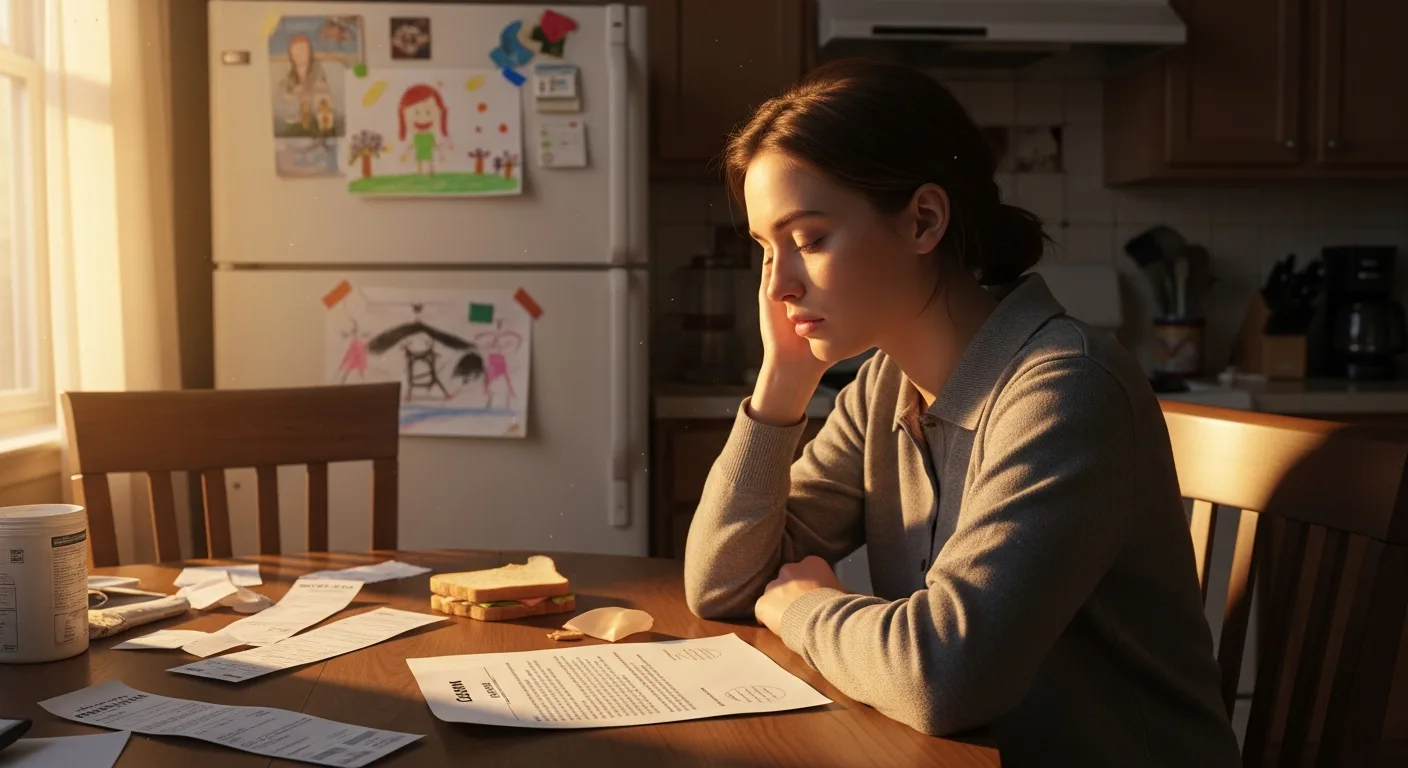
A personal injury can be devastating for the individual involved, but the impact doesn’t stop there. The consequences ripple outwards, affecting families, friends, and even the wider community. The social impact of these incidents is far-reaching, with significant economic impact as well. But how deeply do these events truly affect the lives of those around the injured person?
The Family’s Burden: Emotional and Practical Strain
When a loved one suffers a personal injury, the family often becomes the primary support system. This can place immense pressure on spouses, partners, children, and other relatives. The emotional toll is significant. Witnessing a family member in pain, dealing with their frustration and limitations, and worrying about their future can lead to stress, anxiety, and even depression within the family unit.
Beyond the emotional burden, families often face practical challenges. These can include:
- Increased Caregiving Responsibilities: Family members may need to provide round-the-clock care, assisting with daily tasks such as bathing, dressing, and eating. This can be especially challenging if the injured person requires specialized medical attention.
- Financial Strain: Medical bills can quickly pile up, and the injured person may be unable to work, leading to a loss of income. This can strain family finances and force difficult decisions about spending and savings.
- Changes in Household Roles: Family members may need to take on new responsibilities, such as managing household chores, caring for children, or handling finances. This can disrupt established routines and create conflict within the family.
- Social Isolation: The demands of caregiving can leave family members feeling isolated and disconnected from their social networks. They may have less time for hobbies, social activities, and personal relationships.
The impact on children can be particularly profound. They may experience anxiety, fear, and confusion about their parent’s injury. They may also need to take on additional responsibilities at home, such as caring for younger siblings or helping with household chores. This can affect their academic performance, social development, and overall well-being.
A study published in the “Journal of Family Psychology” in 2024 found that families of individuals with severe personal injuries reported a 40% increase in stress levels and a 25% decrease in overall family satisfaction.
The Economic Impact on Families and Individuals
The economic impact of a personal injury extends far beyond the initial medical bills. Lost wages, ongoing medical expenses, and the need for specialized care can create a significant financial burden for both the injured individual and their family. Consider the following factors:
- Lost Income: The injured person may be unable to work for an extended period, or even permanently. This loss of income can make it difficult to pay bills, cover living expenses, and save for the future.
- Medical Expenses: Medical bills can be substantial, especially if the injury requires surgery, hospitalization, or ongoing therapy. Even with health insurance, out-of-pocket expenses such as deductibles, co-pays, and prescription drugs can add up quickly.
- Rehabilitation Costs: Many personal injuries require rehabilitation to regain strength, mobility, and function. These services can be expensive and may not be fully covered by insurance.
- Home Modifications: If the injury results in a disability, the home may need to be modified to accommodate the injured person’s needs. This can include installing ramps, widening doorways, and adapting bathrooms.
- Loss of Future Earning Potential: A severe injury can impact a person’s ability to advance in their career or pursue new opportunities. This can result in a significant loss of lifetime earnings.
In some cases, families may need to sell their homes, deplete their savings, or take on debt to cover the costs associated with a personal injury. This can have long-term financial consequences and jeopardize their future security. Resources like Federal Trade Commission consumer advice can help families navigate these financial challenges.
The Community’s Role: Resources and Support Systems
The community plays a crucial role in supporting individuals and families affected by personal injury. Access to resources and support systems can make a significant difference in their recovery and overall well-being. These resources may include:
- Medical Professionals: Doctors, nurses, therapists, and other healthcare providers are essential for providing medical care and rehabilitation services.
- Social Workers: Social workers can help families navigate the complexities of the healthcare system, access financial assistance programs, and connect with community resources.
- Support Groups: Support groups provide a safe and supportive environment for individuals and families to share their experiences, learn from others, and receive emotional support.
- Nonprofit Organizations: Many nonprofit organizations offer services such as transportation, meal delivery, and home care to individuals and families in need.
- Government Agencies: Government agencies such as the Social Security Administration and the Department of Veterans Affairs provide benefits and services to eligible individuals.
A strong community response can help to alleviate the burden on families and ensure that injured individuals receive the care and support they need to recover and rebuild their lives. Volunteering time, donating to local charities, and advocating for policies that support injured individuals are all ways to contribute to a more supportive community.
The Social Impact: Beyond the Individual
The social impact of personal injury extends beyond the individual and their immediate family. It can affect the wider community in various ways, including:
- Increased Healthcare Costs: Personal injuries contribute to rising healthcare costs, which can affect everyone in the community through higher insurance premiums and taxes.
- Lost Productivity: When individuals are unable to work due to injury, it can reduce productivity and economic output in the community.
- Strain on Social Services: Personal injuries can increase demand for social services such as welfare, disability benefits, and mental health services.
- Increased Crime Rates: Studies have shown a correlation between personal injuries and increased crime rates, particularly in communities with limited resources and support systems.
Addressing the social impact of personal injury requires a multi-faceted approach that includes prevention efforts, improved access to healthcare, and stronger support systems for injured individuals and their families. Public awareness campaigns, safety regulations, and community-based programs can help to reduce the incidence of personal injuries and mitigate their social consequences.
Preventing Personal Injuries: A Collective Responsibility
While accidents can happen, many personal injuries are preventable. Taking proactive steps to promote safety and prevent accidents can significantly reduce the social impact on families and the community. Prevention strategies include:
- Promoting Safe Driving Habits: Encouraging responsible driving behaviors such as avoiding distractions, obeying traffic laws, and not driving under the influence can help to prevent car accidents, a leading cause of personal injury.
- Ensuring Workplace Safety: Implementing and enforcing workplace safety regulations can reduce the risk of injuries in the workplace. This includes providing proper training, equipment, and supervision. Companies can use tools like OSHA to stay up-to-date on compliance standards.
- Creating Safe Public Spaces: Designing and maintaining safe public spaces, such as parks, playgrounds, and sidewalks, can help to prevent falls and other accidents.
- Educating Children About Safety: Teaching children about safety rules, such as looking both ways before crossing the street and wearing helmets while biking, can help to prevent injuries.
- Advocating for Policy Changes: Supporting policies that promote safety, such as stricter building codes and improved traffic safety laws, can help to create a safer environment for everyone.
By working together to prevent personal injuries, we can create healthier, safer, and more resilient communities.
According to the National Safety Council, preventable injuries are the third leading cause of death in the United States, highlighting the importance of prevention efforts.
Seeking Legal Recourse: When and How to Act
When a personal injury occurs due to someone else’s negligence, seeking legal recourse may be necessary to recover compensation for damages. This compensation can help cover medical expenses, lost wages, and other financial losses. Here are some steps to consider:
- Consult with an Attorney: An experienced personal injury attorney can evaluate the case, advise on legal options, and represent the injured person in negotiations or litigation.
- Gather Evidence: Collecting evidence such as medical records, police reports, and witness statements can help to build a strong case.
- File a Claim: The attorney will file a claim with the responsible party’s insurance company, seeking compensation for damages.
- Negotiate a Settlement: The attorney will negotiate with the insurance company to reach a fair settlement. If a settlement cannot be reached, the attorney may file a lawsuit.
- Prepare for Trial: If a lawsuit is filed, the attorney will prepare the case for trial, which may involve gathering additional evidence, interviewing witnesses, and presenting arguments in court.
It’s crucial to act promptly, as there are time limits for filing personal injury claims. Consulting with an attorney as soon as possible can help to protect the injured person’s legal rights and ensure that they receive the compensation they deserve. Tools like Avvo can help find legal representation.
The ripple effect of personal injuries extends far beyond the individual, impacting families, communities, and the economy. Understanding the social impact, implementing prevention strategies, and seeking appropriate legal recourse are all essential steps in mitigating the consequences of these incidents. By working together, we can create a more supportive and resilient society for those affected by personal injury.
What are the most common types of personal injuries?
Common types of personal injuries include car accidents, slip and fall accidents, workplace injuries, medical malpractice, and product liability claims.
How does a personal injury affect a family financially?
A personal injury can lead to lost income, increased medical expenses, rehabilitation costs, and potential long-term care needs, creating a significant financial burden on the family.
What community resources are available to support individuals with personal injuries?
Community resources include support groups, nonprofit organizations offering services such as transportation and meal delivery, and government agencies providing benefits and services.
What steps can be taken to prevent personal injuries in the workplace?
Prevention measures include implementing and enforcing safety regulations, providing proper training and equipment, and ensuring adequate supervision.
When should I consult with an attorney after a personal injury?
It’s best to consult with an attorney as soon as possible after a personal injury to protect your legal rights and ensure that you receive the compensation you deserve. There are time limits to filing claims.
Personal injuries have far-reaching consequences, affecting not only the injured individual but also their families and the wider community. We’ve explored the social impact, the economic impact, and the importance of prevention. By understanding these effects, we can work together to create safer communities and provide better support for those affected by personal injury. Take action today: advocate for safety measures in your community and support organizations that help injured individuals and their families to build a more compassionate and resilient future.