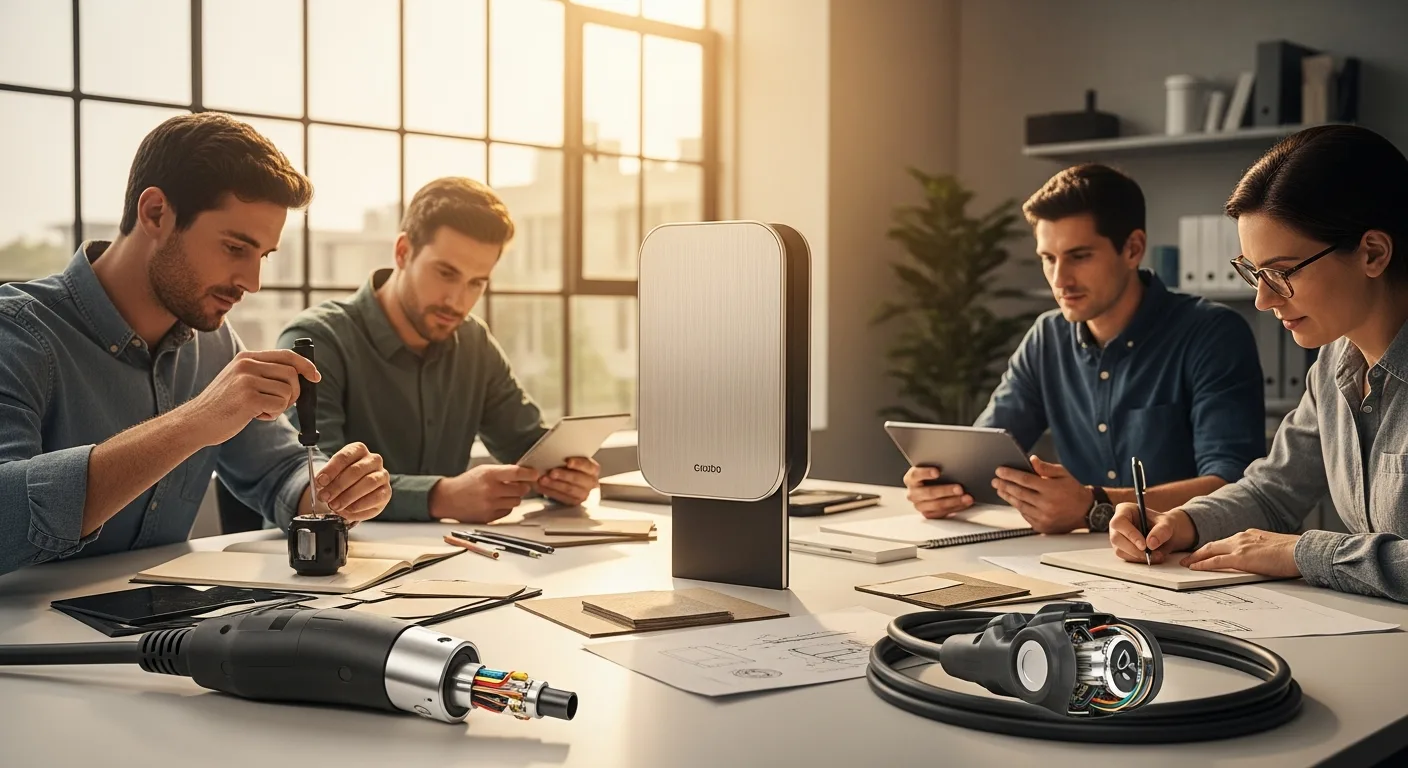
The Ethical Dilemma of Product Liability: Protecting Consumers vs. Innovation
Product liability laws exist to ensure that manufacturers are held accountable for injuries caused by defective products. But how far should this accountability extend? Striking the right balance between consumer protection and fostering innovation is a complex ethics problem. Overly strict laws can stifle progress, while lax regulations put consumers at risk. Are we doing enough to ensure safety standards don’t inadvertently hinder the development of life-changing technologies?
Understanding Product Liability and Consumer Protection
Product liability refers to the legal responsibility of manufacturers, distributors, and retailers for injuries or damages caused by a defective product. These laws are designed to protect consumers from harm and provide recourse when they are injured by unsafe goods. There are generally three types of product liability claims:
- Manufacturing Defects: These occur when there is an error in the manufacturing process, causing a product to deviate from its intended design. For example, a batch of cars with faulty brakes due to a malfunctioning assembly line robot.
- Design Defects: These exist when the product’s design itself is inherently dangerous, even if it’s manufactured correctly. An example would be a children’s toy designed with small, detachable parts that pose a choking hazard.
- Failure to Warn (Marketing Defects): This arises when a manufacturer fails to provide adequate warnings or instructions about the product’s potential risks or proper usage. A cleaning product lacking clear warnings about skin irritation, for example.
Consumer protection laws are broader than product liability, encompassing a range of regulations aimed at safeguarding consumers’ rights in the marketplace. These laws cover areas such as advertising, sales practices, warranties, and data privacy. The goal is to ensure fair and transparent transactions and prevent businesses from engaging in deceptive or harmful practices.
Strong consumer protection laws are crucial for building trust in the market. When consumers feel safe and confident, they are more likely to participate in the economy, driving growth and innovation. However, overly burdensome regulations can create barriers to entry for new businesses and increase the cost of goods and services.
According to a 2025 report by the Consumer Protection Agency, complaints related to defective products increased by 15% compared to the previous year, highlighting the ongoing need for vigilance and robust enforcement of existing laws.
The Role of Ethics in Product Development and Manufacturing
Ethics plays a vital role in product development and manufacturing. Companies have a moral obligation to prioritize the safety and well-being of their customers. This goes beyond simply complying with legal requirements; it involves actively seeking out potential risks and taking steps to mitigate them, even if it means incurring additional costs. Ethical considerations should be integrated into every stage of the product lifecycle, from design and testing to manufacturing, marketing, and distribution.
One key ethical principle is the concept of due care. This means that manufacturers have a responsibility to exercise reasonable care in the design, production, and marketing of their products. They must take steps to anticipate potential hazards and implement safeguards to protect consumers from harm. Failure to exercise due care can result in legal liability and reputational damage.
Another important ethical consideration is transparency. Companies should be open and honest with consumers about the potential risks associated with their products. This includes providing clear and accurate warnings, instructions, and safety information. Transparency builds trust and allows consumers to make informed decisions about whether or not to use a particular product.
However, ethical decision-making in product development is not always straightforward. Companies often face difficult trade-offs between safety, cost, and performance. For example, adding additional safety features may increase the cost of a product, making it less competitive in the market. Balancing these competing interests requires careful consideration and a commitment to ethical principles.
Innovation and the Impact of Stringent Product Liability Laws
While consumer protection is paramount, overly stringent product liability laws can have a chilling effect on innovation. When companies fear being sued for every possible mishap, they may become risk-averse and hesitant to introduce new products or technologies. This can stifle progress and limit the availability of beneficial goods and services.
One concern is the potential for frivolous lawsuits. Even if a company is ultimately found not liable, the cost of defending against a lawsuit can be substantial, especially for small businesses and startups. The threat of litigation can discourage entrepreneurs from pursuing innovative ideas and bringing them to market.
Another challenge is the difficulty of predicting all the potential risks associated with new technologies. Emerging fields like artificial intelligence, biotechnology, and nanotechnology pose unique challenges for regulators and manufacturers. It can be difficult to anticipate all the ways in which these technologies might be used or misused, and overly cautious regulations could hinder their development. For instance, the EU’s Artificial Intelligence Act, while intending to protect citizens, is already causing concern among AI developers who fear it will stifle innovation in Europe.
However, it’s important to note that responsible innovation requires a commitment to safety and ethical considerations. Companies should not use the pursuit of innovation as an excuse to cut corners or disregard potential risks. A balanced approach is needed that encourages innovation while ensuring adequate safeguards for consumers.
Finding the Balance: Safety Standards and Regulatory Frameworks
Striking the right balance between consumer protection and fostering innovation requires a well-designed regulatory framework and robust safety standards. The goal should be to create a system that protects consumers from harm without unduly hindering the development of new products and technologies.
One key element is the use of risk-based regulation. This approach focuses on identifying and mitigating the most significant risks associated with a particular product or technology. It allows regulators to target their resources where they are most needed, rather than imposing blanket regulations that may be unnecessary or ineffective. For example, medical devices are subject to rigorous testing and approval processes, while low-risk consumer goods may face less stringent requirements.
Another important aspect is the use of industry standards. These are voluntary guidelines developed by industry associations or standards organizations that specify minimum safety requirements for products or services. Industry standards can provide a flexible and adaptable way to ensure safety without the need for government regulation. For example, the International Organization for Standardization (ISO) develops a wide range of standards covering various industries and products.
Furthermore, it is crucial to promote a culture of safety awareness within companies. This involves training employees on safety procedures, encouraging them to report potential hazards, and implementing systems for tracking and addressing safety concerns. Companies should also invest in research and development to improve the safety and reliability of their products.
Based on my experience consulting with manufacturing firms, companies that proactively invest in safety and quality control often experience lower rates of product recalls and lawsuits, ultimately saving them money in the long run.
The Future of Product Liability: Adapting to Emerging Technologies
As technology continues to evolve at a rapid pace, the legal and ethical landscape of product liability will need to adapt accordingly. Emerging technologies like artificial intelligence (AI), autonomous vehicles, and personalized medicine raise new challenges for regulators, manufacturers, and consumers.
One key challenge is determining liability when AI systems make decisions that cause harm. For example, if a self-driving car causes an accident, who is responsible? Is it the manufacturer of the car, the developer of the AI software, or the owner of the vehicle? These questions are complex and require careful consideration.
Another challenge is ensuring the safety and security of connected devices. As more and more products become connected to the internet, they become vulnerable to hacking and cyberattacks. Manufacturers need to take steps to protect their products from these threats and ensure that consumers’ data is secure.
To address these challenges, regulators may need to develop new legal frameworks and standards that are specifically tailored to emerging technologies. This may involve creating new categories of liability, establishing new safety requirements, and promoting the development of ethical guidelines for AI and other advanced technologies.
Looking ahead, collaboration between industry, government, and academia will be essential for navigating the complex ethical and legal issues surrounding product liability. By working together, we can create a system that protects consumers while fostering innovation and ensuring that the benefits of new technologies are widely available.
Ultimately, the future of product liability depends on our ability to adapt to change and embrace a culture of safety, ethics, and responsibility. It’s about ensuring safety standards are maintained while not hindering innovation, and about protecting consumer protection without creating undue legal burdens. It’s a delicate balancing act requiring constant vigilance.
What is product liability?
Product liability refers to the legal responsibility of manufacturers, distributors, and retailers for injuries or damages caused by a defective product. It ensures accountability for unsafe goods.
What are the three main types of product liability claims?
The three main types are manufacturing defects (errors in production), design defects (inherently dangerous design), and failure to warn (inadequate warnings or instructions).
How can stringent product liability laws impact innovation?
Overly strict laws can stifle innovation by making companies risk-averse and hesitant to introduce new products due to fear of lawsuits.
What is risk-based regulation?
Risk-based regulation focuses on identifying and mitigating the most significant risks associated with a product or technology, allowing regulators to target resources effectively.
How does AI impact product liability?
AI raises questions about liability when AI systems make decisions that cause harm, such as in autonomous vehicles. It requires new legal frameworks and ethical guidelines.
In conclusion, navigating the ethical dilemma of product liability requires a balanced approach. We must prioritize consumer safety through robust regulations and ethical practices while fostering an environment that encourages innovation. By embracing risk-based regulation, promoting industry standards, and adapting to emerging technologies, we can strike the right balance. The actionable takeaway? Stay informed, advocate for responsible regulations, and demand transparency from manufacturers to ensure a safe and innovative future for all.